


How Much Does a New HVAC System Cost?
New HVAC System Cost
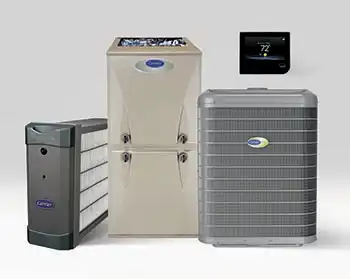
A complete HVAC system includes indoor and outdoor units, as well as advanced air purification options.
When asked how much a new HVAC system costs (Heating, Ventilation, and Air Conditioning), the answer can vary significantly depending on several factors, including the type of system, the required system size, your location, additional features, and upgrades. So, it is tough to answer the question: how much for a new HVAC system?
The cost of a new central air conditioning system depends on the model, features, and benefits you desire, so let’s talk about some of the options available. A licensed air conditioning and heating company, such as Extreme Comfort Air Conditioning & Heating, will provide a written estimate for the replacement of an HVAC system.
Is HVAC A Good Investment?
Yes, a new HVAC system can be a good investment. While the upfront cost may be significant, it often pays off in the long run, especially if your current AC system frequently needs repairs. Plus, newer systems are more energy-efficient, reducing utility bills and providing better comfort and healthier indoor air quality.
Additionally, a new HVAC system can increase a home’s resale value and may qualify for rebates or incentives, making it a wise financial choice for many homeowners.
Professional HVAC technicians perform load calculations to determine the right size HVAC system for your home.
How Much Does A New HVAC System Cost Per Square Foot?
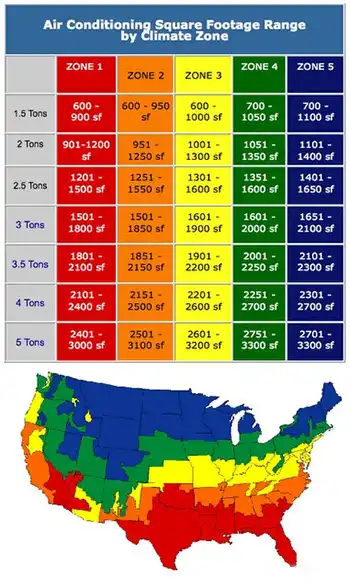
HVAC system size depends on climate zone and home square footage.
Estimating the cost of a new HVAC system per square foot is difficult, as ceiling height also factors into the equation. However, choosing the right size for an HVAC system is crucial because an improperly sized system can lead to various issues.
An undersized system may struggle to adequately cool or heat a space, leading to discomfort, inefficiency, and higher energy bills. On the other hand, an oversized system may cycle on and off frequently, leading to temperature fluctuations, reduced energy efficiency, and potential wear and tear on the equipment.
To ensure optimal comfort and efficiency in your home, a new HVAC system that is correctly sized based on factors like the size of your living space, wall and attic insulation, climate conditions, and specific heating and cooling needs is essential.
What Size HVAC System Do I Need?
When choosing a new HVAC system, size matters more than you think. HVAC systems come in various sizes to suit different homes and needs.
The size of an HVAC system refers to its cooling or heating capacity, typically measured in British Thermal Units (BTUs) or Tons. This measurement indicates how much heat the system can remove or deliver per hour. Cooling represents the system’s ability to cool a space, while in heating mode, it denotes the system’s capacity to provide warmth.


Let’s Get Started!



How Much Does A New HVAC System Cost Per Square Foot?
Estimating the cost of a new HVAC system per square foot is difficult, as ceiling height also factors into the equation. However, choosing the right size for an HVAC system is crucial because an improperly sized system can lead to various issues.
An undersized system may struggle to adequately cool or heat a space, leading to discomfort, inefficiency, and higher energy bills. On the other hand, an oversized system may cycle on and off frequently, leading to temperature fluctuations, reduced energy efficiency, and potential wear and tear on the equipment.
To ensure optimal comfort and efficiency in your home, it is essential to have an HVAC system that is correctly sized based on factors such as your home’s size, wall and attic insulation, climate conditions, and your specific heating and cooling needs.
Features And Benefits Of A New HVAC System
1) How Much SEER or SEER2 Rating Do I Need?
The price of a new HVAC system is significantly affected by its SEER2 Rating.
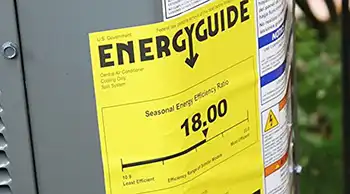
Higher SEER ratings help reduce energy costs and improve long-term savings.
SEER, which stands for Seasonal Energy Efficiency Ratio, was the long-standing efficiency measure. However, the industry standard transitioned to SEER2 in 2023. This newer rating uses stricter testing conditions that more accurately reflect real-world performance in homes. The SEER2 rating indicates how efficiently the system cools your home during the summer heat and directly influences eligibility for high-efficiency tax credits.
The SEER2 rating is expressed as a numerical value on a scale. The higher the SEER2 rating, the more energy-efficient the cooling system is. SEER2 ratings typically range from 13.4 to 21.5 or higher for high-efficiency residential AC systems.
What Is The Most Efficient HVAC System?
When choosing an HVAC system, it is essential to consider the SEER2 rating, especially if you are concerned with the most efficient HVAC system and prioritize energy efficiency and lower utility bills. It is worth noting that higher SEER2-rated systems often come with a higher upfront cost.
The decision should be based on your climate, cooling needs, budget, and potential long-term energy savings. Here in Dallas, all these factors matter. Consulting with an HVAC professional can help you select the right system with an appropriate SEER2 rating for your specific requirements.
2) New AC System Filtration Options
The filtration system is a crucial component of your HVAC system, and its importance cannot be overstated. HVAC filtration systems come in various varieties, each serving specific purposes to enhance indoor air quality and system performance.
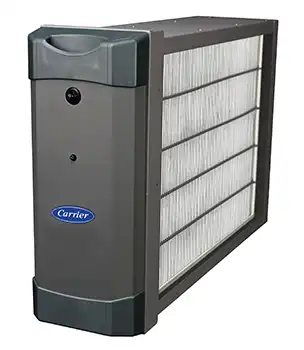
Upgraded air purification improves indoor air quality and reduces allergens.
Standard Air Filters
Standard air filters are designed to capture dust, debris, and allergens from the air. They are essential for maintaining clean and healthy indoor air, reducing allergy triggers, and protecting your HVAC system from dust buildup.
HEPA Filters
High-Efficiency Particulate Air (HEPA) filters are even more effective at trapping microscopic particles, making them ideal for those with severe allergies or respiratory conditions.
UV Air Purifiers
Ultraviolet (UV) air purifiers use UV-C light to kill bacteria, viruses, and mold spores, reducing the risk of illness and improving indoor air quality.
Activated Carbon Filters
These filters excel at adsorbing and neutralizing odors, chemicals, and volatile organic compounds (VOCs), ensuring fresher and odor-free air.
The importance of filtration systems lies in removing pollutants, allergens, and contaminants from the air, thereby creating a healthier, more comfortable living environment. They also safeguard the HVAC system by preventing debris buildup, thereby ensuring its longevity and efficient operation. Properly chosen and maintained filtration systems contribute significantly to indoor comfort and well-being.
Investing in the right thermostat is a smart move for both comfort and cost savings.
3) Thermostat Varieties And Benefits
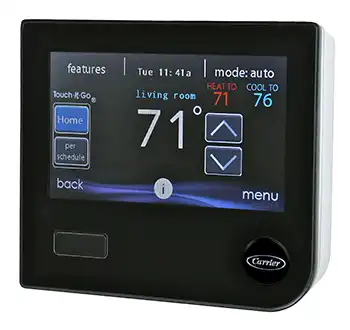
Smart thermostats help lower energy costs with precise temperature control.
HVAC thermostats are the unsung heroes of your home’s heating and cooling system. These small devices play a significant role in controlling your indoor comfort and optimizing energy usage. Many thermostat options are available today, from traditional manual thermostats to programmable and smart thermostats.
Investing in the right thermostat is smart for both comfort and cost savings. Our experts can help you select the perfect thermostat to complement your HVAC system and lifestyle.
Manual Thermostats
A manual HVAC thermostat offers basic temperature control with manual adjustments. Its simplicity makes it cost-effective, easy to use, and suitable for straightforward heating and cooling needs.
Programmable Thermostats
A programmable HVAC thermostat allows users to program heating and cooling schedules. It offers energy savings by automatically adjusting temperatures when you are away from home or sleeping, enhancing comfort and efficiency.
Many programmable thermostats offer Wi-Fi connectivity, allowing remote adjustment via smartphones and computers for convenient temperature control and monitoring.
Smart Thermostats
Smart thermostats take comfort and convenience a step further, offering remote control via smartphones and adaptive learning to ensure your home is always at the right temperature, optimizing comfort and saving on energy bills.
4.9 Stars with over 600 Reviews
4) Two-Stage vs. Single-Stage HVAC System
Single-Stage HVAC System
A single-stage system has only one output level or stage of operation. When it turns on, it runs at full capacity, delivering maximum heating or cooling power until the desired temperature is reached. Once the set temperature is achieved, it turns off.
These systems are straightforward and less expensive but operate at maximum capacity all the time, which can lead to energy inefficiency and less precise temperature control.
Two-Stage HVAC System
As the name suggests, a two-stage system has two output levels or stages of operation: high stage and low stage. It operates in the low-stage setting during mild weather, running at a lower capacity to maintain the temperature. When demand for heating or cooling increases, it switches to the high stage for maximum power.
These systems offer better energy efficiency, more precise temperature control, and quieter operation because they can adjust their output to meet heating or cooling needs.
5) Variable-Speed vs. Fixed-Speed HVAC Systems
Variable-speed and fixed-speed HVAC systems differ in their ability to adjust and modulate their operation.
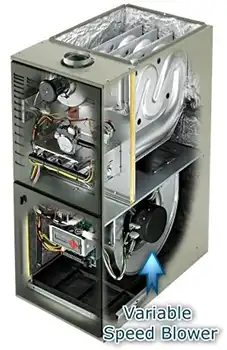
Variable-speed systems offer better comfort, quieter operation, and higher efficiency.
Fixed-Speed HVAC System
Fixed-speed, single-stage systems have only one output level: full capacity. When they turn on, they run at full blast until the desired temperature is reached, then turn off.
These systems are more straightforward and less expensive but tend to be less energy-efficient because they operate at maximum capacity, which can lead to temperature swings, greater energy consumption, and less precise control.
Fixed-speed systems suit budget-conscious homeowners and regions with stable climate conditions. They have lower upfront costs but may result in higher long-term energy bills.
Variable-Speed HVAC System
A variable-speed HVAC system, also known as a modulating system, can continuously adjust its output. Rather than being limited to two stages, it can operate at various speeds to precisely match the heating or cooling demand.
These systems offer the highest energy efficiency, exceptional temperature consistency, minimal noise, superior indoor air quality, and extended lifespan. They are ideal for achieving optimal comfort and efficiency in any climate.
Other Costs That Affect HVAC System Pricing
1) City or County Permits

City or county permits are often required when installing a new HVAC system.
A city or county permit to install a new HVAC system in your home is the least expensive and one of the most important expenses you will pay. A permit is an official authorization issued by local government authorities that authorizes an HVAC company to install air conditioning systems within their jurisdiction and ensures that the work complies with local building codes, safety regulations, and environmental standards.
At Extreme Comfort Air Conditioning and Heating, we always pull permits on new unit installation, which means your city or county inspector will certify our work after we are done. Many HVAC companies don’t want to pay this expense, but we do. You must be confident in choosing Extreme Comfort Air Conditioning and Heating to serve you.
2) Residential HVAC Installation Cost
Labor and installation challenges significantly influence HVAC installation costs. Skilled, state-licensed labor is essential for a successful HVAC installation. HVAC technicians must correctly size, install, and configure the system, which can be complex and time-consuming. The State of Texas licenses Extreme Comfort.
Installation challenges such as outdated ductwork, inadequate electrical systems, or limited space can require additional labor and materials, increasing the overall cost. Moreover, local building codes and regulations may impose specific requirements, affecting installation complexity and expenses.
When considering the cost, it’s also essential to factor in the heating efficiency, measured by AFUE (Annual Fuel Utilization Efficiency).
- AFUE Explained: AFUE measures the percentage of fuel (like natural gas or propane) your furnace converts into usable heat over the course of a year. For example, an 80% AFUE furnace wastes 20% of the fuel, while a 95% AFUE furnace only wastes 5%.
- The Cost Impact: Furnaces with higher AFUE ratings often have higher upfront costs but lower monthly heating bills because they use less fuel. In DFW, the minimum standard for new gas furnaces is 80% AFUE.
Although labor and installation costs can affect the overall cost of your new HVAC system, hiring licensed HVAC professionals may cost you a bit more money upfront, but it will save you money in the long run.
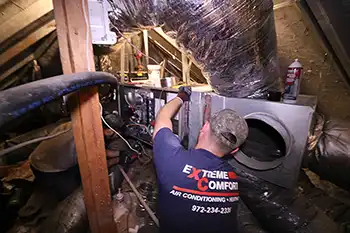
Professional installation is essential for proper performance and reliability.
How Long Do HVAC Systems Last?
You may ask yourself, How often do HVAC systems need to be replaced? The lifespan of a NEW HVAC system is typically 12-15 years; however, with proper maintenance and care, a new AC system can last 15-25 years.
Regular maintenance, including filter changes, cleaning, and professional inspections, can extend the system’s longevity. Factors such as system quality, usage patterns, and climate conditions also influence its lifespan. Newer, high-efficiency systems may have a shorter payback due to energy savings, making them a worthwhile investment.
Cost Of A New Heating And Cooling System Summary
We have explored the intricacies of HVAC systems that contribute to their cost. Many factors affect the price of new heating and cooling systems, from their types and benefits to the importance of permits.
Whether considering variable-speed or two-stage systems or weighing the benefits of improved energy efficiency, it is clear that HVAC choices significantly impact home comfort and cost savings. Homeowners can make informed decisions to create comfortable and efficient indoor environments by understanding these factors.
The next step is to contact an HVAC professional to obtain an estimate for a new AC system. Extreme Comfort Air Conditioning & Heating offers FREE, no-obligation estimates for new systems. Contact an Extreme Comfort Advisor today.