


Why Is My Air Conditioner Spitting Water?
What Is Causing My AC To Leak?
When your air conditioner begins dripping or spitting water, it can be frustrating and sometimes alarming. Water leaks can be caused by several underlying problems, and most require a licensed HVAC technician to diagnose and repair the issue safely. Below are the most common reasons homeowners in the DFW Metroplex, including Allen, Fairview, Farmers Branch, University Park, and Wylie, experience AC water leaks, and what you can do next to protect your home and your system.
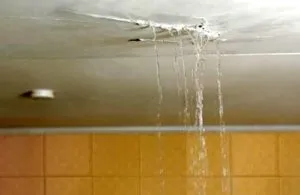
Water spitting or leaking from an AC system can lead to costly ceiling and drywall damage if ignored.
Improper Air Conditioning Installation
One of the most common causes of water spitting from an AC system is improper installation. If the indoor unit is not level or the drainage system was set up incorrectly, condensation cannot flow through the drain line as it should. Instead, the water collects inside the unit and eventually spills or sprays out during operation.
A professional HVAC technician will check the unit’s pitch, the condensate drain connection, and the drain line routing to correct the issue. This is also why you should always insist that your HVAC company pulls the required installation permits. A permit triggers a city inspection, ensuring an unbiased third party certifies that your air conditioning system was installed safely and correctly. Homeowners in communities like Fairview, University Park, and Farmers Branch benefit significantly from the added oversight that a required inspection provides.
A Leaking or Damaged Evaporator Coil
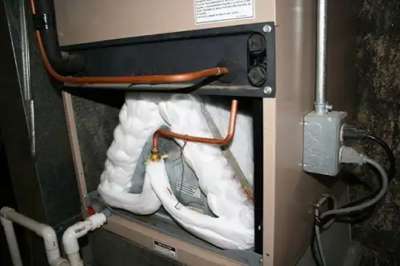
A frozen evaporator coil is a leading cause of AC systems leaking or spitting water inside the home.
Your evaporator coil sits inside the indoor AC unit and absorbs heat from the air as it passes over it. If this coil develops a refrigerant leak, it cannot operate correctly. A leaking coil often leads to a frozen evaporator coil, which eventually melts, producing excess water that drips or spills from the unit.
Common symptoms of a leaking coil include:
- Ice on the refrigerant lines
- Reduced cooling performance
- Hissing sounds
- Water forming around the air handler
Ignoring a refrigerant leak can lead to expensive repairs and potential system failure. If you live in Wylie, Allen, or anywhere in the DFW Metroplex, schedule an inspection as soon as you notice any signs of freezing or water around the unit.
Clogged Condensate Drain Line
Over time, dirt, dust, and algae can accumulate in the condensate drain line. Once it becomes clogged, water has nowhere to go and will back up into the unit. Eventually, the system will begin dripping or spitting water as pressure builds.
If you notice water pooling near your air handler in areas like Farmers Branch or University Park, or if you see water coming from the emergency drain pan, the drain line is likely obstructed. A licensed HVAC technician can clear the blockage and flush the line to prevent future backups.




Dirty or Blocked Air Filters
Restricted airflow can cause the evaporator coil to freeze. When the ice melts, the water that should drip into the drain pan may instead overflow or spray out.
Dirty filters are one of the most preventable causes of AC leaks. Homeowners should check their air filters every 30 days during the peak cooling season and replace them as needed to maintain steady airflow and prevent freeze-ups.
Low Refrigerant Levels
Low refrigerant creates conditions that cause the evaporator coil to freeze. Once it thaws, excessive water may overwhelm the drain pan and spill into the surrounding area.
If you notice that your system is taking longer to cool your home, or you hear bubbling or hissing noises from the indoor unit, contact an HVAC professional immediately. Running an AC system with low refrigerant can cause compressor failure, which is one of the most expensive repairs.
Why You Should Contact a Licensed AC Repair Technician
A leaking or water-spitting air conditioner should never be ignored. Even small leaks can lead to ceiling damage, mold growth, high humidity levels, and serious mechanical problems.
Whether you are in Garland, Dallas, Coppell, Parker, Murphy, or another DFW-area community, a licensed HVAC technician can:
- Diagnose the exact cause of the leak
- Perform safe, code-compliant repairs
- Check for refrigerant leaks
- Inspect your drain line and drainage system
- Ensure your system is operating efficiently
Fast diagnosis protects both your home and your air conditioner. Early repairs can prevent thousands of dollars in damage and extend the lifespan of your system.
Schedule Your AC Repair Service Now
If your air conditioner is leaking, dripping, or spitting water, schedule your AC repair as soon as possible. Our licensed and insured technicians serve homeowners across the entire DFW Metroplex and can quickly and professionally fix your system.

The top FAQs about why an AC is spitting or leaking water.
Q: Why is my air conditioner spitting or spraying water inside my house?
A: This usually happens when the evaporator coil freezes and melts, the drain line is clogged, or improper AC installation, causing water to overflow or spray out.
Q: Is it normal for an AC unit to leak a little water?
A: It is normal for the AC to produce condensation, but it should drain outside through the condensate line. Water leaking inside the home is never normal and needs professional attention.
Q: What is the most common cause of water leaking from an air conditioner?
A: A clogged condensate drain line is the most common cause, followed by a frozen evaporator coil or improper installation.
Q: Can a leaking air conditioner cause damage to my home?
A: Yes. Water leaks can cause ceiling damage, mold growth, drywall damage, and electrical hazards if not repaired quickly.
Q: How do I know if my AC drain line is clogged?
A: Signs include water around the indoor unit, musty smells, the AC shutting off randomly, or water dripping from the secondary drain pan.
Q: Can I run my AC if it is leaking water?
A: You should turn the system off immediately. Running an AC with leaks can cause significant damage to the evaporator coil, blower motor, and even the compressor.
Q: Why does my AC freeze up and then leak water when it melts?
A: Poor airflow or low refrigerant causes the coil to freeze. When the ice melts, the water overflows the drain pan and leaks from the unit.
Q: How do I stop my air conditioner from leaking water?
A: A technician will make sure the drain line is clear, check refrigerant levels, clean the coil, ensure proper installation, and verify that it is draining correctly.
Q: How much does it cost to fix an air conditioner that is leaking water?
A: Costs vary based on the cause. Clearing a drain line may cost $75 to $200. Coil leaks or refrigerant issues can range from $300 to $1,500 or more, depending on severity.
Q: When should I call an HVAC technician for a leaking AC?
A: Call immediately if water is dripping indoors, the coil is frozen, or the unit shuts off unexpectedly. Leaks almost always indicate a deeper problem.
Q: Does homeowners’ insurance cover AC water damage?
A: Most policies cover sudden water damage, but not long-term leaks caused by a lack of maintenance. Consult your insurance agent for details.
Q: How often should I clean or check my AC drain line?
A: At least once per cooling season, and more often during heavy use in the North Texas climate.