


How Long Do AC Units Last In Dallas, Texas?
How Long Does Central AC Last in Dallas, TX?
Picture this: the Texas sun beats down, cicadas whirl, and inside, nothing but silence. Your once faithful AC unit has thrown in the towel, leaving you facing a sweltering summer and a big decision. But before you resign yourself to another scorching season, consider this: how long do AC units last in Texas?
According to the Air Conditioning Contractors Association (ACCA), a new central air conditioning system in Dallas, Texas, can last between 10 and 15 years with proper maintenance and installation. However, extreme heat, humidity, and usage can shorten its lifespan. The Consumer Reports National Research Center confirms that AC units in hot climates like Texas have shorter lifespans than those in milder regions.
So, what if your AC is already showing signs of fatigue? Frequent repair visits, rising energy bills, and inconsistent cooling are all red flags in the Texan heat. If your unit is pushing the 10-year mark, consider it a gentle nudge (or maybe a shove) to explore replacement options. Remember, semi-annual check-ups can save you money compared to being caught off guard by a complete breakdown in the peak of summer.
5 Signs Your AC Unit is Failing
Living in Dallas, you depend on your AC more than most people do. But how do you know when to swap your trusty companion for a newer model? While the average lifespan is 10-15 years, according to the Air Conditioning Contractors Association (ACCA), several red flags can signal an impending breakdown.
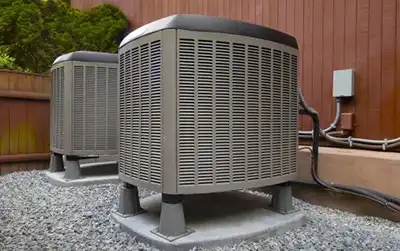
The Replacement: A new, high-efficiency AC condenser unit is the key to minimizing energy bills and maximizing comfort during DFW summers.
1) Struggles to Cool: Feeling lukewarm air despite cranking up the thermostat indicates reduced cooling capacity, a sure sign your AC is nearing its end.
2) Skyrocketing Energy Bills: Inefficient units work harder, generating higher electricity bills. Consider replacing your AC if costs jump noticeably.
3) Constant AC Repairs: Frequent fixes are like flashing warning lights. If your AC seems like a regular visitor to the repair shop, it might be time to invest in a new system.
4) Age: Like a trusty car with high mileage, older AC units (over 12 years) are more prone to breakdowns. Plan for a replacement before it leaves you sweating.
5) Strange Noises: Your AC unit’s rattling, banging, or squealing noises are like cries for help. Address these immediately and consider a replacement if the issue persists.
If your unit is pushing the 10-year mark, it might be time to consider a replacement. Remember, proactive maintenance can extend your AC’s life. But if these signs sound familiar, don’t wait for a complete breakdown. Contact a qualified HVAC technician in Dallas for a professional assessment and explore your replacement options. After all, a comfortable summer in Dallas is priceless!


Let’s Get Started!
Why Does The Heat Cause An AC System To Fail?
Living in Texas means battling blazing summers, and your AC unit is on the front lines. But what happens when the heat itself seems to be the enemy? Unfortunately, extreme temperatures can indeed contribute to failure and necessitate AC repair or replacement. Here’s why:
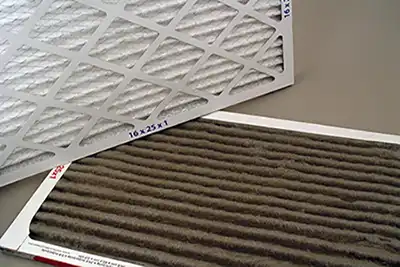
Filter Magic: Changing your air filter from the “dirty” one shown below to a clean one is the single easiest step you can take to extend your AC unit’s lifespan.
Overworked Compressor: Think of your AC compressor like a car engine. The hotter it gets, the harder it has to work to pump refrigerant and cool your home. This increased workload significantly strains the compressor, leading to premature wear and tear and potential failure.
Condensed Coils Under Siege: Your AC unit rejects heat to the outside through condenser coils. But when outdoor temperatures soar, these coils struggle to dissipate heat effectively. This trapped heat can cause the refrigerant to overheat, triggering system shutdowns or permanent damage.
Dirty Filters Act Like Choking Hazards: A clogged air filter restricts airflow, forcing your AC to work harder to circulate air. This extra effort creates more heat within the unit, further exacerbating the abovementioned issues.
Remember: Regular maintenance, including timely filter changes and professional checkups, can significantly extend your AC’s lifespan and help combat the damaging effects of Texas heat. Addressing these issues proactively ensures your AC stays cool under pressure and keeps you comfortable through even the hottest summers.
The average lifespan for an AC unit is 10-15 years, according to the Air Conditioning Contractors Association (AACA)



How To Increase The Average Lifespan Of An AC Unit
Are you worried your trusty AC might not make it through another scorching Texas summer? Fear not! While the average lifespan is 10-15 years (per the Air Conditioning Contractors Association (ACCA)), simple steps can significantly extend its service life.
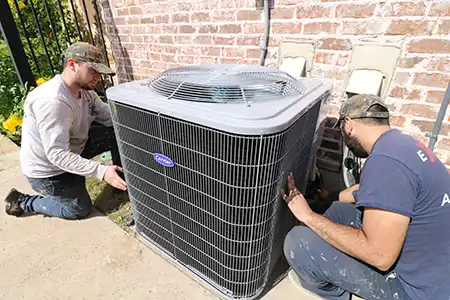
Proper Installation Matters: The lifespan and efficiency of your new AC depend entirely on correct, professional installation and sizing for the Texas heat.
1) Regular Checkups: Your AC needs annual professional checkups like your car. These ensure optimal performance and catch minor issues before they snowball.
2) Filter Magic: A clean filter is a happy filter (and AC!). Depending on its type, change or clean your air filter monthly during peak season and quarterly otherwise. Dirty filters restrict airflow, forcing your AC to work harder and shorten its lifespan.
3) Cleanliness is Key: Keep the area around your outdoor unit free of debris and vegetation. Ensure at least 2 feet of clearance for proper airflow and heat dissipation.
4) Strategic Shade: Protect your outdoor unit from direct sunlight with shade cloth or landscaping. Shade reduces wear and tear caused by harsh sun exposure.
5) Smart Thermostat: Upgrade to a programmable thermostat. Customize schedules to adjust temperature when you’re away, reducing unnecessary wear and tear.
Remember, preventative measures are essential. Following these tips, you can add precious years to your AC’s life and enjoy many more cool summers in Dallas.
Help Is Just A Phone Call Away
Here’s where Extreme Comfort Air Conditioning & Heating can help. We offer free, no-obligation quotes for new HVAC systems, ensuring you get the best value and efficiency for your home. Our experienced technicians can assess your current system, explain your options, and guide you through the replacement process. Remember, a new, properly sized AC unit can keep you cool and significantly reduce your energy bills.
So, how long will your AC unit last in the Dallas heat? The answer depends on various factors, but if you’re experiencing issues or your unit is nearing the end of its expected lifespan, don’t wait for a complete meltdown. Schedule a free consultation with Extreme Comfort Air Conditioning & Heating today and take control of your home’s comfort and efficiency. With the correct information and professional guidance, you can ensure your next Texan summer is cool, comfortable, and cost-effective.
Proactive maintenance and timely replacements can save money and prevent sweltering summers. So, schedule an appointment with Extreme Comfort today and breathe easy knowing your AC unit is ready to face the Texas heat.